
Table of Contents
ToggleTop 10 Bathroom Remodeling Services Trends in Kenya
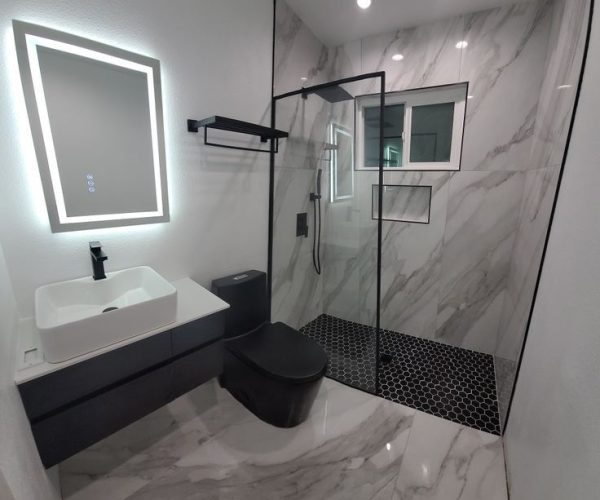
Bathrooms in Kenya are no longer the purely functional rooms they used to be — they’re becoming small, personal retreats that combine smart tech, water-wise plumbing, and locally sensible design. Whether you’re a homeowner in Nairobi, a developer in Mombasa, or a property manager in Nakuru, these are the top 10 bathroom remodeling trends I’m seeing right now and why they matter.
1. Spa-inspired, wellness-focused bathrooms
Homeowners want bathrooms that feel like a mini-spa: mood lighting, larger walk-in showers, freestanding soak tubs and calming materials (think warm neutrals and natural textures). Designers are building bathrooms around relaxation steam options, rain showerheads and integrated aromatherapy are moving from luxury add-ons to mainstream upgrades. This wellness wave is global and very present in Kenya’s higher-end renovations. Architectural Digest
2. Solar water heating and energy-wise systems
Kenya’s sunny climate makes solar water heating an attractive and practical upgrade. Many homeowners now specify roof-mounted solar water heaters or hybrid systems so hot water doesn’t blow up the electricity bill — particularly valuable in areas prone to load-shedding. This trend also dovetails with growing interest in long-term savings and green credentials for rental units and holiday homes. ecovexsystems.co.ke
3. Water-saving fixtures and sustainable plumbing
Water conservation matters everywhere, and in Kenya it’s a real design driver. Low-flow showerheads, dual-flush toilets, sensor taps and efficient mixers are commonly recommended by contractors to reduce consumption without sacrificing comfort. Paired with good waterproofing and drain planning, these fixtures lower bills and protect finishes from damp damage. Interior Design Services
4. Frameless glass showers & open wet rooms
Open, seamless wet areas and frameless glass shower enclosures remain hugely popular because they make small bathrooms feel larger and are easier to clean. Wet rooms — fully waterproofed spaces where shower and floor are continuous — are increasingly specified in modern builds and remodels for their accessibility and contemporary look. These layouts also simplify maintenance and are ideal in compact urban apartments. Real Simple+1
5. Bold but practical tile choices
Tile remains the dominant surface in Kenyan bathrooms, but tastes are shifting: large-format tiles, textured finishes, and “statement” accent walls are on the rise. Homeowners pair matte floor tiles with patterned or natural-stone look wall tiles to get depth without complex maintenance. Porcelain that mimics wood or stone gives the luxe look while staying durable and affordable.
6. Smart bathroom tech (where budget allows)
Smart mirrors with LED lighting, anti-fog features, and motion controls; touchless faucets; and programmable showers are increasingly requested by tech-savvy clients. While not yet universal across all price points in Kenya, smart features are growing in popularity for new developments, serviced apartments and modern private homes — they sell well and add perceived value.
7. Space-saving fixtures for compact homes
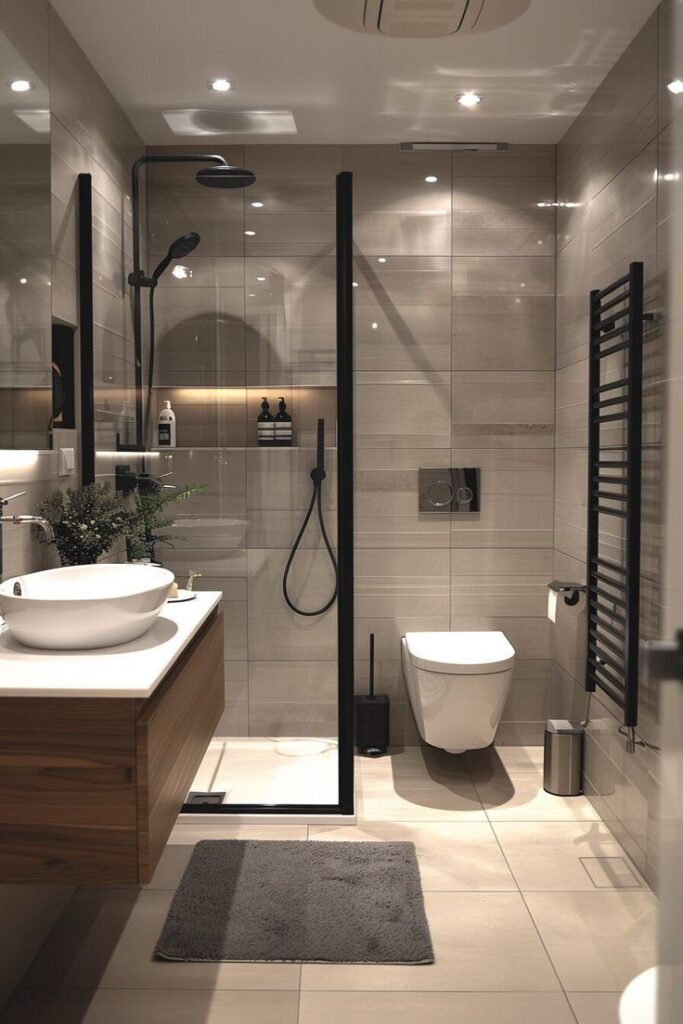
With urban lots getting smaller, Kenyan remodelers are using wall-hung toilets, slimline vanities, corner showers, and built-in shelving to maximize every square metre. Clever storage — recessed niches, vertical cabinets and floating vanities — keeps bathrooms tidy and functional without feeling cramped. Practical design is often the most appreciated investment for renters and homeowners alike. Construction Kenya
8. Durable, maintenance-friendly fittings
Long-lasting valves, ceramic cartridges in taps, and corrosion-resistant finishes are a big selling point. Local plumbers and suppliers increasingly recommend brands and fittings that tolerate Kenya’s hard water in many regions, reducing call-outs and replacement costs. Specifying quality where it matters (hidden valves, drainage, waterproof membranes) saves money in the medium term.
9. Inclusive and accessible design
Universal design features — curbless showers, grab bars, non-slip tiles and lever handles — are moving from “special needs” to “smart choices” for aging-in-place and resale value. Developers and homeowners who include accessibility options at the remodeling stage avoid costly retrofits later and broaden a home’s market appeal.
10. Local craftsmanship and bespoke cabinetry
Rather than importing everything, many clients ask for locally made vanities, timber shelving, and custom storage that suit Kenyan tastes, budgets and climate. Local carpenters and fabricators can deliver durable, customised pieces (with proper waterproofing finishes) at a fraction of the cost of imported units — and they can be repaired more easily.
Practical tips before you remodel
Start with waterproofing and plumbing. A good membrane and properly installed drainage are non-negotiable — they protect every other finish in the room.
Choose finishes for climate and water quality. Matte porcelain and sealed veneers withstand Kenya’s variable humidity better than untreated timber.
Plan for maintenance. Easy-access plumbing panels and standardized fittings reduce service costs.
Get local quotes and supplier recommendations. Ask contractors for brands that work well with local water conditions and ask to see past work.
Think long term. Investments in solar heating, efficient plumbing and quality valves often pay back through lower bills and fewer repairs.
Bathroom remodels in Kenya are blending global design (spa vibes, smart tech, wet rooms) with locally sensible solutions (solar water heating, hard-wearing fixtures, and locally made cabinetry). Whether you’re updating a small rental unit or planning a luxury en-suite, the smartest moves are those that combine comfort, durability and efficiency — and that fit the Kenyan context.