
Table of Contents
ToggleImportance of Exhauster Services in Nairobi, Kenya
In Nairobi, the phrase “exhauster required urgently” is heard almost daily in WhatsApp groups, estate management offices, and school administration chats. With only about 40–45% of the city connected to the central sewerage system, more than three million residents and thousands of businesses depend on septic tanks, biodigesters, and pit latrines. When these fill up, professional exhauster services are not just convenient—they are critical for public health, environmental protection, and daily life. Here’s why exhauster services have become an essential part of living and working in Nairobi.
1. Preventing Public Health Disasters
A full septic tank or pit latrine is a ticking biological bomb. Sewage contains cholera bacteria, typhoid, hepatitis A, dysentery-causing parasites, and worm eggs. In densely populated areas such as Kibra, Mathare, Dandora, Kayole, and Pipeline, one overflowing pit can contaminate shallow wells, roadside food stalls, and children’s play areas within hours.
During the rainy seasons, flooded pits mix raw sewage with storm water, spreading disease even faster. Nairobi has recorded repeated cholera outbreaks linked directly to poor waste management. Professional exhauster trucks remove waste completely and transport it to treatment plants, breaking the chain of infection that informal or delayed emptying leaves behind.
2. Protecting Nairobi’s Rivers and Groundwater
For decades, the Nairobi, Ngong, and Mathare rivers turned black and foamy because of illegal dumping by unlicensed exhausters. Raw sewage kills fish, destroys wetlands, and makes downstream water unsafe for the communities that still rely on it.
Since NEMA tightened enforcement after 2018, licensed exhauster companies must deliver every load to official treatment facilities (Dandora, Ruai, Kariobangi, or private plants). This single change has started to bring life back to sections of the Nairobi River. Every household or business that hires a registered exhauster is directly contributing to cleaning the city’s waterways.
3. Avoiding Huge Repair Bills
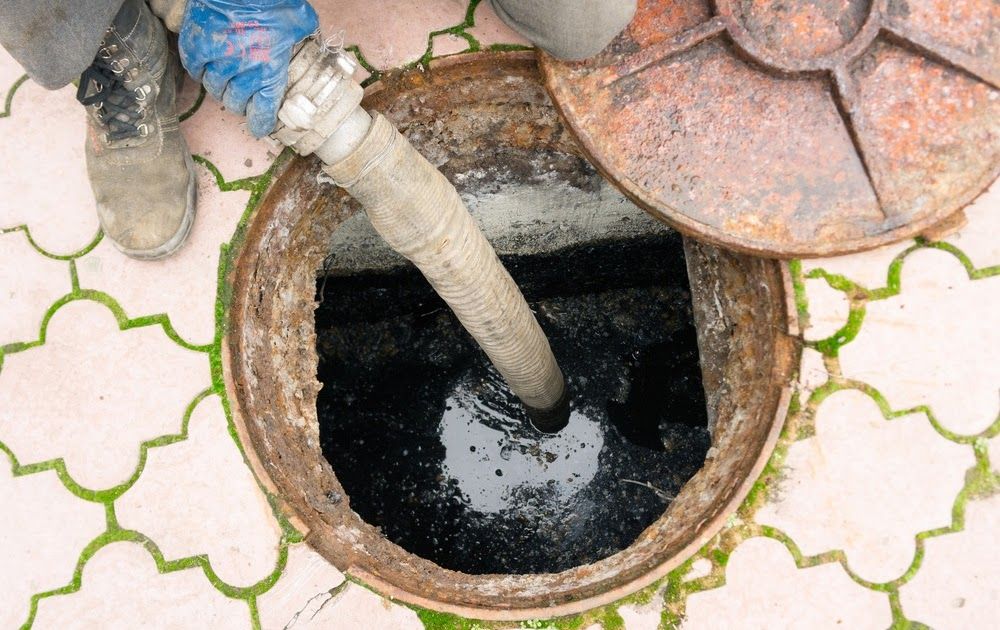
When a septic tank is ignored for too long, sludge hardens and blocks the soakaway. Effluent then backs up into toilets, bathrooms, and sometimes even sitting rooms. The hydraulic pressure can crack floor tiles, damage foundations, and ruin expensive plumbing systems. In gated communities and apartments, the repair costs are shared among many owners, turning a KSh 12,000 exhauster job into a special levy of KSh 50,000–150,000 per household.
Regular emptying (every 2–5 years) prevents these disasters and extends the life of the septic system by decades.
4. Maintaining Property Value and Tenant Satisfaction
Nothing drives tenants away faster than the smell of sewage. Estates in Westlands, Kilimani, Kileleshwa, and Lavington compete fiercely for good tenants. A single weekend of overflowing toilets can damage a property’s reputation for years. Property managers now treat scheduled exhauster services the same way they treat lift maintenance or security—non-negotiable.
5. Meeting Legal and Institutional Requirements
NEMA and Nairobi City County require every commercial building, school, hospital, hotel, and factory to keep records of proper waste disposal. During inspections, officers ask for waste manifest documents from licensed exhausters. Without them, institutions risk heavy fines or closure orders. Many schools almost missed opening dates after termly health inspections because their previous exhauster had no license.
6. Coping with Nairobi’s Unique Challenges
- High-rise apartments with tanks in basements need trucks with long hoses and booster pumps.
- Biodigesters (now common in new estates) require careful emptying so the methane-producing bacteria are not destroyed.
- Old estates in Eastlands have narrow roads that only smaller, maneuverable trucks can enter.
- Industrial areas produce greasy or chemical waste that only specialized hazardous-waste trucks can handle.
Professional companies have invested in the right equipment and trained staff for every situation, something individual “mali ka mali” exhausters rarely manage.
7. Emergency Response When Disaster Strikes
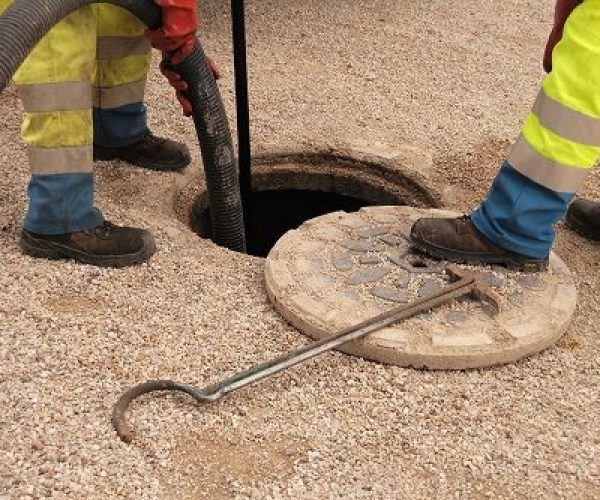
During the long rains, pits flood overnight. Toilets stop flushing, compounds turn into swamps, and families are trapped by the stench. Reputable exhauster companies now run 24/7 emergency lines with response times of 1–3 hours inside Nairobi. For many households, that late-night call is the only thing standing between normal life and a health emergency.
8. Supporting a Growing Kenyan Industry
The exhauster business is one of Nairobi’s quiet success stories. From a handful of old trucks in the 1990s, the sector now employs thousands of drivers, mechanics, plumbers, and call-center staff. Leading companies are Kenyan-owned, pay taxes, and keep upgrading their fleets with GPS tracking and modern vacuum pumps. Choosing a professional service keeps money and jobs inside the local economy.
In Nairobi today, a functioning exhauster service is as important as electricity, water, or internet. It keeps diseases away, rivers cleaner, repair bills low, tenants happy, and institutions legally compliant. The cost of a proper exhauster visit—usually KSh 8,000 to 18,000 depending on tank size and location—is tiny compared to the medical, legal, and structural costs of ignoring the problem.
Next time you see slow drainage, gurgling sounds, or unpleasant smells around your home, school, or business, remember: calling a licensed, professional exhauster is not an expense. It is one of the smartest investments you can make in health, peace of mind, and the future of Kenya’s capital city.